 Back to Blogs
BDSM is a term used to describe a wide range of consensual activities involving bondage, control, sensation, and power exchange. While it is often misunderstood, BDSM is built on communication, trust, and mutual respect. For many people, it offers a way to explore new experiences, deepen connection, and add variety to intimacy.
The term BDSM stands for Bondage and Discipline, Dominance and Submission, and Sadism and Masochism. These elements can be explored individually or combined depending on personal preference. Some people enjoy the physical side, such as restraints or bondage gear, while others are more interested in the mental and emotional aspects of control and submission.
At its core, BDSM is about consent. Everything is discussed and agreed upon before anything begins. This includes boundaries, comfort levels, and expectations. Many people use safe words to ensure that any activity can be stopped immediately if needed. This focus on consent is what makes BDSM structured, controlled, and safe when practiced correctly.
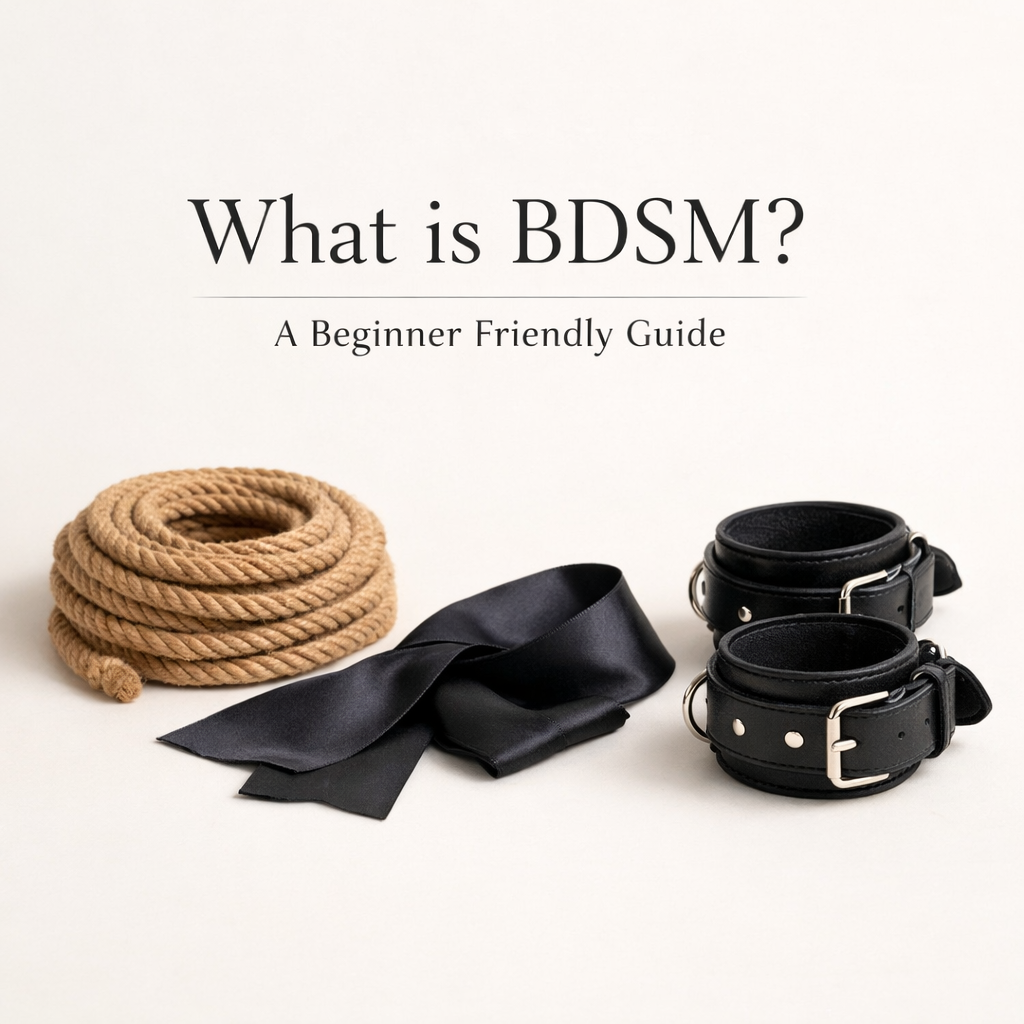
For beginners, BDSM does not have to be extreme. Many people start with simple experiences like a blindfold, light restraint, or basic bondage accessories. These beginner-friendly options allow you to explore new sensations without feeling overwhelmed. Taking things slow and building trust is the best way to get started.
Safety is always important. Using proper bondage equipment designed for comfort and durability reduces risk and improves the experience. Communication should continue during and after any activity. Many couples also practice aftercare, which means taking time to reconnect, relax, and check in after a scene.
If you are curious about getting started, you can explore beginner gear or browse different types of equipment designed for safe and comfortable use. Choosing quality products and learning how to use them correctly will make a big difference in your experience.
BDSM is not about going to extremes. It is about discovering what feels exciting, safe, and enjoyable for you and your partner. With communication, consent, and the right approach, it can be explored in a way that is both respectful and rewarding.
|